Are Thermal Papers Carcinogenic?

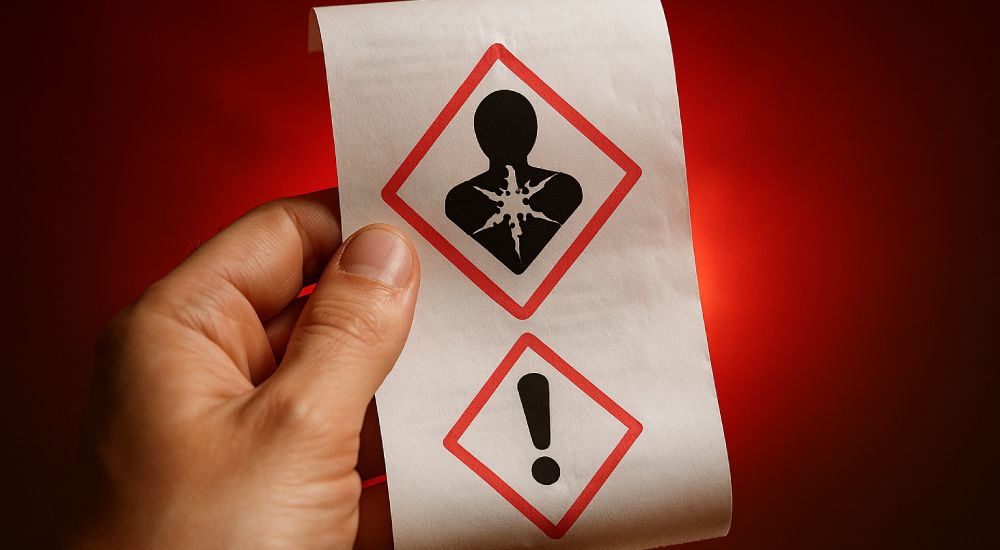
If you’ve handled receipts lately, you’ve almost certainly touched thermal paper. It’s that smooth, shiny, heat-sensitive paper commonly used in receipt printers, tickets, and labels. But do you know that it could be carcinogenic?
In this geekswipe edition, let’s understand the composition of the thermal paper, recent developments, and whether the receipts you handle daily are carcinogenic.
What are thermal papers?
Thermal paper is a special type of paper that reacts to heat. As soon as the paper is exposed to a hot item, say a printer head or even the friction from a fingernail scratch, the area turns black. Thermal papers are usually used as a cheaper alternative to ink-based printing.
How is this sorcery possible, you ask?
Well, thermal paper contains a chemical known as bisphenol A (BPA) or its alternative, bisphenol S (BPS), used as a developer (an organic compound that produces colour) along with other dyes, sensitizers, and stabilizers. This concoction allows the paper to react quickly to heat and print clearly, without needing ink.
However, BPA and BPS are endocrine disruptors, meaning they can interfere with hormone regulation of the endocrine glands (a network of glands that produce and release hormones, which act as chemical messengers to regulate various bodily functions) in humans (Rochester, 2013)
Carcinogenic properties of BPA and BPS
While endocrine disruptors are primarily known for their effects on hormone systems, emerging studies suggest potential carcinogenic risks associated with prolonged exposure.
Research indicates BPA exposure can stimulate cancer cell proliferation, notably in breast and prostate tissue, due to its estrogen-like effects (Seachrist et al., 2016). Although BPA has been phased out from many thermal papers in favor of BPS, studies suggest BPS might have similar hormonal activity and associated risks (Rosenmai et al., 2014) as well.
Regulatory responses
As of December 2023, bisphenol S is officially acknowledged by the State of California as a substance that poses reproductive hazards.
In 2023, the European Chemicals Agency (ECHA) added BPS to its Candidate List of substances of very high concern (SVHC) specifically for its endocrine-disrupting properties, emphasizing potential cancer risks.
But does touching receipts pose an immediate danger?
Real-world BPA or BPS exposure risk
The simple act of handling thermal paper briefly might not dramatically raise your cancer risk. However, occupational exposure, such as for cashiers, bank tellers, and ticket vendors who handle thermal paper constantly, is a genuine concern. Studies have shown increased levels of BPA and BPS in the bodies of individuals frequently handling thermal paper, suggesting substantial absorption through the skin (Thayer et al., 2016).
Minimizing thermal paper exposure risks
Given the uncertainty around the long-term impact, precautionary measures are sensible. Avoid unnecessary contact with thermal papers, especially if you’re pregnant or have young children. Wash your hands after handling thermal receipts. Opt for digital receipts when possible. And if you’re occupationally exposed, consider wearing protective gloves.
While thermal paper isn’t officially classified as carcinogenic yet, evidence points toward endocrine-disrupting properties that could potentially increase cancer risks with prolonged, repeated exposure. Until research conclusively clarifies the risks, adopting simple preventive strategies can significantly reduce potential harm.
References
- Rochester, J. R. (2013). “Bisphenol A and human health: A review of the literature.” Reproductive Toxicology, 42, 132-155.
- Seachrist, D. D., et al. (2016). “A Review of the Carcinogenic Potential of Bisphenol A.” Reproductive Toxicology, 59, 167-182.
- Rosenmai, A. K., et al. (2014). “Are structural analogues to bisphenol A safe alternatives?” Toxicological Sciences, 139(1), 35-47.
- Thayer, K. A., et al. (2016). “Bisphenol A, bisphenol S, and 4-hydroxyphenyl 4-isoprooxyphenylsulfone (BPSIP) exposures and risks in occupational settings.” Environmental Health Perspectives, 124(4), 437-444.
First published Apr 12, 2023.
We totally get why you have an ad blocker. If you enjoy reading Geekswipe, turning it off for us helps keep the site alive and the science coming.

Aeronautical engineer, product builder, developer, science fiction author, and an explorer. I'm the creator and editor of Geekswipe. I love writing about physics, aerospace, astronomy, and technology.
More by Karthikeyan KC