Does the Brain Run a Daily Dopamine Budget?

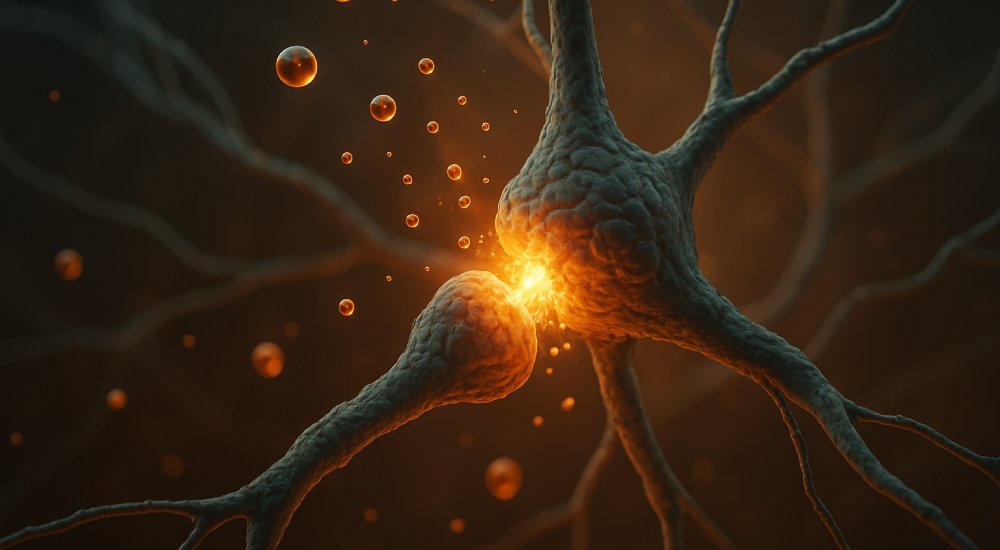
We treat dopamine like currency. Social media gives us a hit. Junk food gives us a hit. Achievement? Another hit. But does your brain actually operate on a fixed daily dopamine budget, the same way your body burns a certain number of calories per day?
Well, not quite. In this Geekswipe edition, we shall explore the much more interesting truth.
Dopamine is not a fuel but a signal
First, dopamine is not energy. It’s not like glucose or ATP. You don’t ‘run out’ of dopamine the way you run out of sugar. Instead, dopamine is a neuromodulator. In other words, it is a chemical messenger that shapes how neurons fire, influencing motivation, learning, pleasure, and decision-making.
The thing is that dopamine operates on relative change. Meaning, the brain tracks differences in dopamine levels, not absolute amounts. It’s the rise in dopamine, not the baseline, that makes something feel rewarding.
The budget illusion
Still, people often report feeling drained after too much stimulation. Dopamine addiction, burnout, and fatigue are all real phenomena. So what’s the reason?
The answer lies in dopamine receptor sensitivity and regulation. When you flood your brain with high-dopamine experiences (like bingeing Instagram, video games, or playing in casinos), your receptors can downregulate, becoming less responsive. This creates a relative deficit where normal activities feel dull. It’s not that you spent your dopamine, it’s that your brain adjusted its sensitivity to preserve balance.
This is why high-stimulation habits often make low-stimulation tasks (like studying or reading) feel harder.
So is there a dopamine quota per day?
There isn’t a hard-coded daily dopamine cap. The brain constantly produces, recycles, and resorbs dopamine through complex feedback loops. However, dopamine tone and the background level of dopamine activity vary based on sleep, diet, stress, and circadian rhythms. In short, dopamine is produced on demand.
However, dopamine neurons can deplete with sustained overstimulation, like chronic doomscrolling or gaming. Chronic overstimulation can blunt responsiveness over time (you need more to feel the same), but the machinery keeps making dopamine.
A better analogy
If calories are a budget, dopamine is the market. It’s volatile, reactive, and driven by expectation. Your brain doesn’t just reward you for outcomes but it rewards you for prediction errors. Especially when outcomes are better than expected. This makes dopamine the engine behind curiosity, novelty-seeking, and even addiction.
So if you keep chasing big dopamine spikes, your brain recalibrates, raising the bar for what counts as rewarding.
How to manage dopamine wisely
Dopamine fasting is an easy way, where you temporarily avoid high-stimulation inputs to reset sensitivity.
Also, doing one thing at a time strengthens focus and reduces overstimulation. And varying such routines can refresh your brain’s reward system without burnout.
But the key isn’t avoiding dopamine. It’s understanding how your brain adapts to it.
The bottom line is, you don’t have a literal dopamine budget. But your brain does regulate motivation like a dynamic economy. If you invest wisely, even small wins can feel like jackpots.
References
- Schultz, W. (2015). Neuronal Reward and Decision Signals: From Theories to Data. Physiological Reviews.
- Volkow, N. D., & Morales, M. (2015). The Brain on Drugs: From Reward to Addiction. Cell.
- Salamone, J. D., & Correa, M. (2012). The Mysterious Motivational Functions of Mesolimbic Dopamine. Neuron.
- Berridge, K. C., & Robinson, T. E. (2016). Liking, Wanting, and the Incentive-Sensitization Theory of Addiction. American Psychologist.
We totally get why you have an ad blocker. If you enjoy reading Geekswipe, turning it off for us helps keep the site alive and the science coming.
We're a clique of geeks, nerds, professionals who co-exist peacefully at Geekswipe, writing on science, technology, culture, and answering your curious questions.
More by Geekswipe Team